3894. Traffic Signal Color
We work through an if/elif ladder, then tighten the range checks using Python's chained-comparison syntax. The `a <= x < b` form replaces clumsy boolean ANDs anywhere you have ranges.
Problem
You are given an integer timer representing the remaining time (in seconds) on a traffic signal.
The signal follows these rules:
- If
timer == 0, the signal is"Green". - If
timer == 30, the signal is"Orange". - If
30 < timer <= 90, the signal is"Red".
Return the current state of the signal. If none of the above conditions are met, return "Invalid".
Constraints:
0 <= timer <= 1000
Examples:
timer = 60→"Red".30 < 60 <= 90so the signal is red.timer = 5→"Invalid".5doesn't satisfy any of the given conditions.
Walkthrough
If statements
In this problem we have to condition our output based on what the input is. What they've done here is included a range of conditions to make sure that you cater for each one: - Exact equality for the 0 and 30 check - Different inequalities: exclusive for the 30 and inclusive for the 90. - Values that don't fall to any condition
The simplest way would be to do this with an if/elif/else block.
The main tricky bit here is for the Red condition, where we need two things to be true together timer > 30 and timer <= 90 to ensure it's within the range.
We're told that timer is an integer, so that means it must be a whole number. You could also write this as timer >= 31 if you prefer to just use inclusive inequalities.
Finally, at the end for the Invalid output you can either do a fall through and just return it at the end, or you can put it in an else block. They're functionally the same.
1 2 3 4 5 6 7 8 9 10 | |
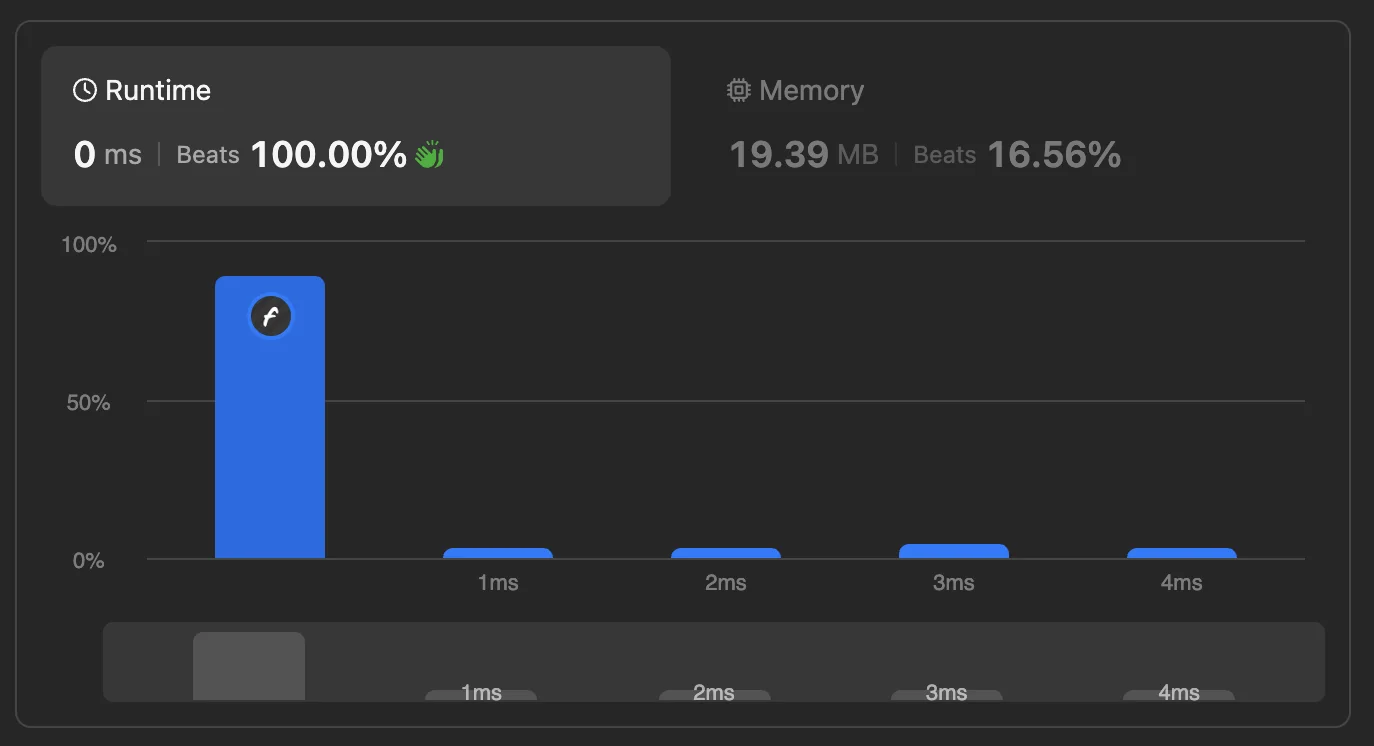
Submission result
Double inequality
We can actually simplify this a bit further to make it more readable.
Python lets you chain inequalities together, so we can collapse the timer > 30 and timer <= 90 check into a single 30 < timer <= 90. I think this makes the code more readable:
1 2 3 4 5 6 7 8 9 10 | |
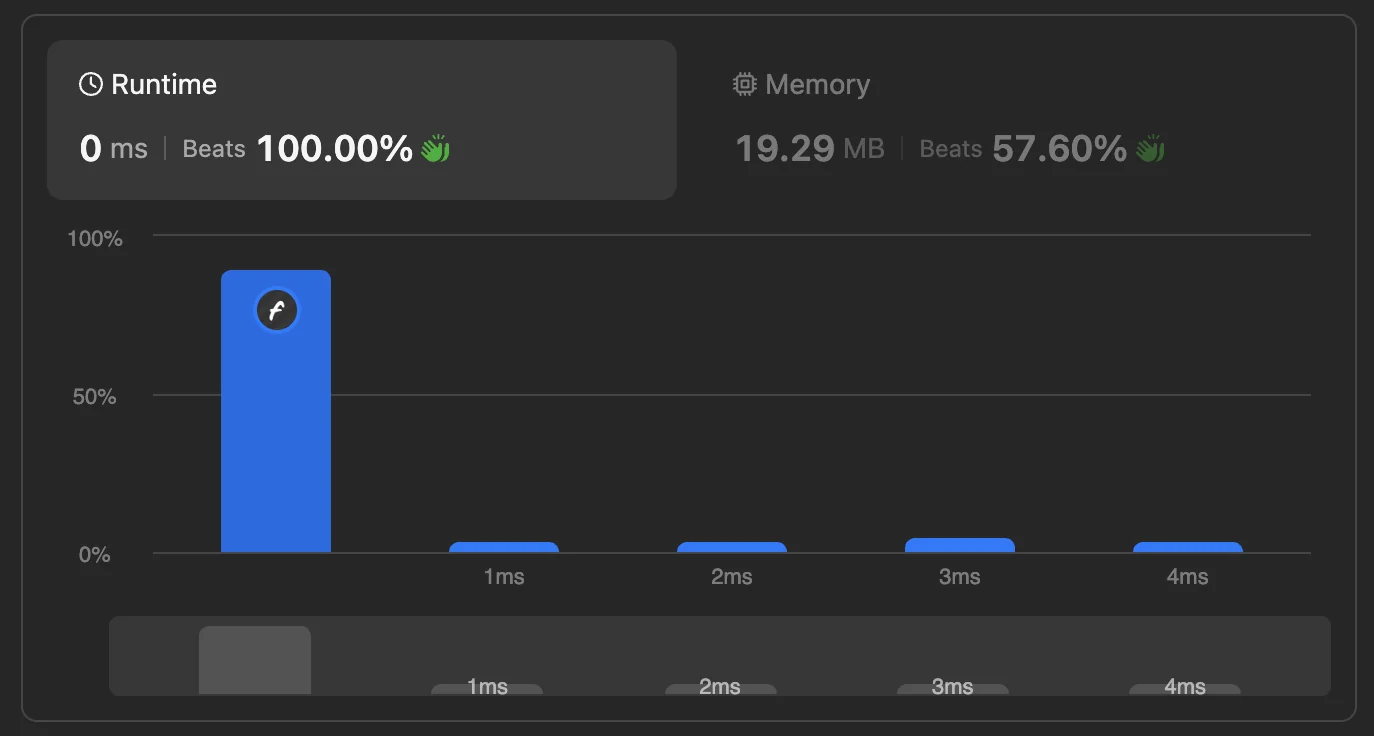
Submission result